


.webp)
A few years ago, I found myself sitting in the passenger seat of a rental car in a foreign country—new language, new roads, new everything. But as we drove, I realized something surprising. I felt right at home.
Not because I had been there before, and not because I knew the culture, but because I could read every single sign.
Reading, in that moment, shrank the world. It reminded me that literacy isn’t just an academic skill; it’s a key that opens entire landscapes, cultures, and opportunities.
As a mom and an English learner, that moment crystallized something: Reading unlocks the world—for us, and for our children.
A Mom and English Learner’s Perspective
For a long time, I didn’t think of myself as someone qualified to teach a child how to read. I had been made fun of for my English—my idioms were off, my accent was noticeable, and my vocabulary felt too limited. Every mispronunciation felt like proof that I wasn’t the right person to shepherd my child into literacy.
But then came the thought that changed everything. If not me, then who?
There was no one else who would take ownership of my child’s education with the same love, patience, and urgency. So I began the journey of teaching my child to read—while relearning English myself.
Relearning English Myself: A Blessing in Disguise
To teach my child the foundations of reading, I realized I needed to revisit my own. It was humbling—flipping through phonics books I should have mastered years ago, watching early-literacy videos, and looking up explanations for rules native speakers never think about.
But this wasn’t embarrassing. It was empowering.
Strengthening my own understanding of the English language became a gift—an opportunity to fill in gaps I didn’t even realize I had. And the more confident I became, the more confident I felt teaching my child.
How to Build Pre-Literacy Skills (Ages 0–4)
Develop an Interest in Reading
Before letters, before sounds, before decoding, there is curiosity. This stage is the heart of whole language learning: falling in love with stories, pictures, rhythms, and books themselves.
Activities to Build Reading Interest
- Daily read-aloud time (even 10 minutes matters)
- Books everywhere (baskets in the living room, the car, the bathroom)
- Age-appropriate content (but not necessarily simple)
Age Appropriate Doesn’t Mean Boring or Basic
Don’t underestimate your child. Toddlers and preschoolers can absorb complex storylines, rich vocabulary, and layered illustrations. Think Richard Scarry and picture-heavy stories that ask kids to infer meaning.
Stories Through Visuals
Some of the best early books have no words at all. Wordless picture books help children:
- Build storytelling skills
- Understand sequence
- Use visual clues
- Strengthen imagination
These visuals pull them in—and make reading fun.
Adults Make Reading Fun (Not the Book)
Reading can be monotonous if the adult is bored. But if you add voices, movement, questions, and facial expressions, even the simplest board book becomes a performance. The magic isn’t in the pages—it’s in the presentation!
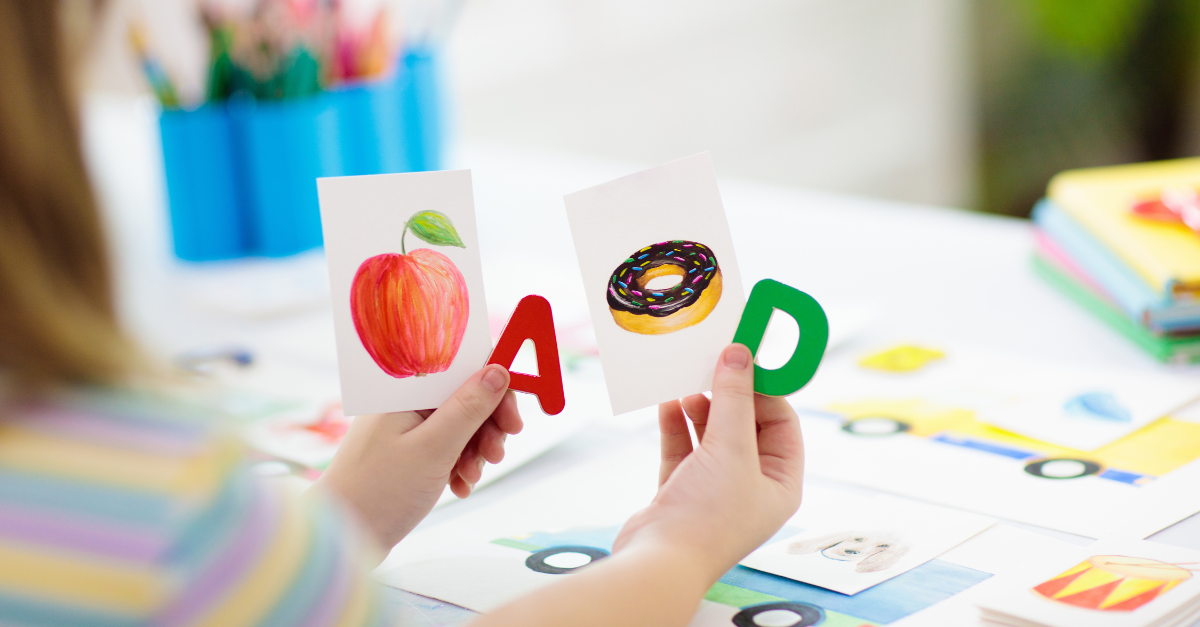
Recognize the Alphabet
Once interest is established, introduce letters—not to memorize, but to explore.
Activities for Recognizing the Alphabet
- Letter tracing
- Alphabet board books
- Wooden puzzles
- Letter magnets
- Alphabet song (with a caveat!)
A Note on the Alphabet Song
The song teaches letter names, not letter sounds. Kids need both, but letter sounds will become more important later for decoding words. Keep singing, but don’t rely on it as the foundation.
Letter Sounds, Not Just Names
This is where phonics begins. Letter names are helpful, but sounds are essential for reading.
Activities for Forming Letter Sounds
- Alphablocks (incredibly effective for blending sounds)
- Letter-object bags (B + ball, bat, banana)
- Khan Academy Kids (free, high-quality phonics app content)
- Sound games (“Which word starts with M?”)
Give It Time
You won’t always see immediate progress. Kids learn invisibly. It often “clicks” all at once—even if it feels like nothing is working for months.
Screen Time Can Be Effective
When used intentionally, screens connect the visual (letter) with the audio (sound) far better than paper alone. For phonics reinforcement, quality screen time is a powerful tool—not a shortcut.
Early Reading Instruction
Now comes the step parents often feel intimidated by—but don’t be. With the right tools, early reading instruction is completely doable at home.
Activities
- Phonics-based books
- Teach Your Child to Read in 100 Easy Lessons
- Beginner sight words
- CVC (consonant-vowel-consonant) word practice
Be Selective With Beginner Books
Not all “level 1” books are actually decodable. Take Biscuit: adorable, clear images… but you can’t sound out the word biscuit. A decoding nightmare for beginners.
Same with many “phonics-branded” books (looking at you, Paw Patrol). Too many irregular words, too little phonetic consistency.
Tried and True
These classics are simple, systematic, and genuinely decodable.
You Can Even Create Your Own
Short-vowel stories, predictable patterns, and a handful of sight words are enough to craft your own reading pages. Homemade books often become kids’ favorites because they feel personal.
Exposure to Expansive Vocabulary
Reading isn’t just about decoding letters; it’s also about understanding rich language. Vocabulary exposure should start early—long before independent reading.
Activities
- Listen to advanced content (BBC Kids, NPR, “It’s OK to Be Smart,” TED-Ed, podcasts)
- Ask Google or ChatGPT with your child and read/discuss answers (“What is a supernova?” “How does a bridge stay up?”)
- Audiobooks (kids can understand far more than they can read)
- Narrate daily life (“We need to evacuate the room because I can’t find the source of that smell!”)
Where Whole Language Actually Works
Vocabulary doesn’t require decoding—it requires exposure. Kids absorb language just by hearing it, even at advanced levels.
Push the Envelope
Don’t dumb things down. Children’s brains are wired to absorb complex concepts—they grow from preverbal babies to chatty toddlers in under two years, after all.
Any Amount Will Do
There’s no shame about schedules here at MomBrains! Any of these activities or a combination of will be helpful.
For busy moms:
- Alphablocks
- Khan Academy Kids
- Audiobooks and radio
For more intentional moms:
- Daily reading
- Letter tracing and writing
- Watching educational shows with your child and discussing vocabulary
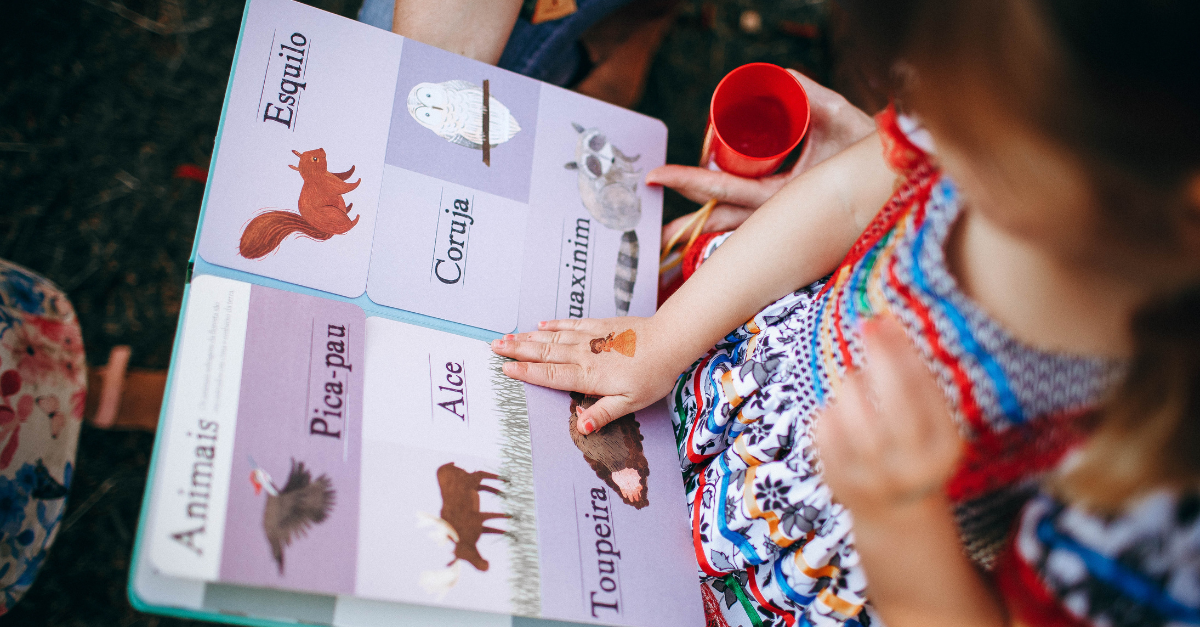
Final Thoughts: Reading Truly Unlocks the World
As parents—especially parents who learned English later—we sometimes underestimate our role in literacy. But the truth is that you don’t need to be perfect to raise a reader. You only need to be present.
Teaching your child to read is not just about phonics or sight words, or worksheets. It’s about showing them that stories matter—that knowledge is accessible, that curiosity is welcome, and that books can take them anywhere.
Whether your child is 2 or 12, the journey starts the same way: with interest, exposure, patience, and a parent who believes reading matters.
And if you learned English along the way? Even better. You know firsthand how reading unlocks the world—and now, you get to pass that key on to your child.


.webp)
.webp)
.webp)


.png)


.png)
.png)