


.webp)
YMCA camps are one of those “safe default” summer options parents return to again and again, because they’re usually close to home, reasonably priced (compared to many specialty camps), structured, and built around kids having a fun, active day. But “YMCA camp” can mean a lot of different things depending on your local Y: traditional day camp, specialty sports camps, nature camps, swim-forward programs, teen leadership tracks, and even overnight camps.
This guide breaks down what YMCA camps typically look like across the U.S., which kids thrive there, how to choose the right program, and the questions that help you get past the brochure language.
What are YMCA camps (and why are they so popular)?
Most YMCA camps are designed to be:
- Accessible (financial assistance is common, and pricing often beats boutique camps)
- Community-based (your local Y knows local families and schools)
- Values-driven (often emphasizing inclusion, character, confidence, friendships)
- Logistics-friendly (reliable schedules, multiple weeks, and often extended care)
Because every YMCA association operates a bit differently, you’ll see variation, yet the core idea is similar: safe, active, kid-friendly programming with a consistent routine.
Types of YMCA camps you’ll see nationwide
1. Traditional YMCA day camp
This is the classic: games, sports, crafts, outdoor time, theme days, and lots of movement, typically grouped by age/grade.
Best for: kids who like variety and a predictable schedule
Good to know: many Ys offer multiple locations (school sites, Y branches, nature centers)
2. Specialty camps (sports, arts, STEM, gymnastics, etc.)
Many Ys add specialty options like:
- basketball, soccer, volleyball, tennis
- gymnastics/tumbling
- dance or theater weeks
- STEM/robotics and maker-style camps
- art-focused camps
Best for: kids who want a “theme anchor” but still want camp fun
Good to know: specialty camps can have different schedules and pricing from general day camp
3. Nature/adventure camps
Some YMCA associations run camps at nature centers or outdoor properties, with:
- hiking, ecology, outdoor skills
- pond studies, nature crafts
- archery and adventure elements (varies)
Best for: kids who want outdoors-all-day energy
Good to know: ask about weather policies and what “outdoors all day” really means
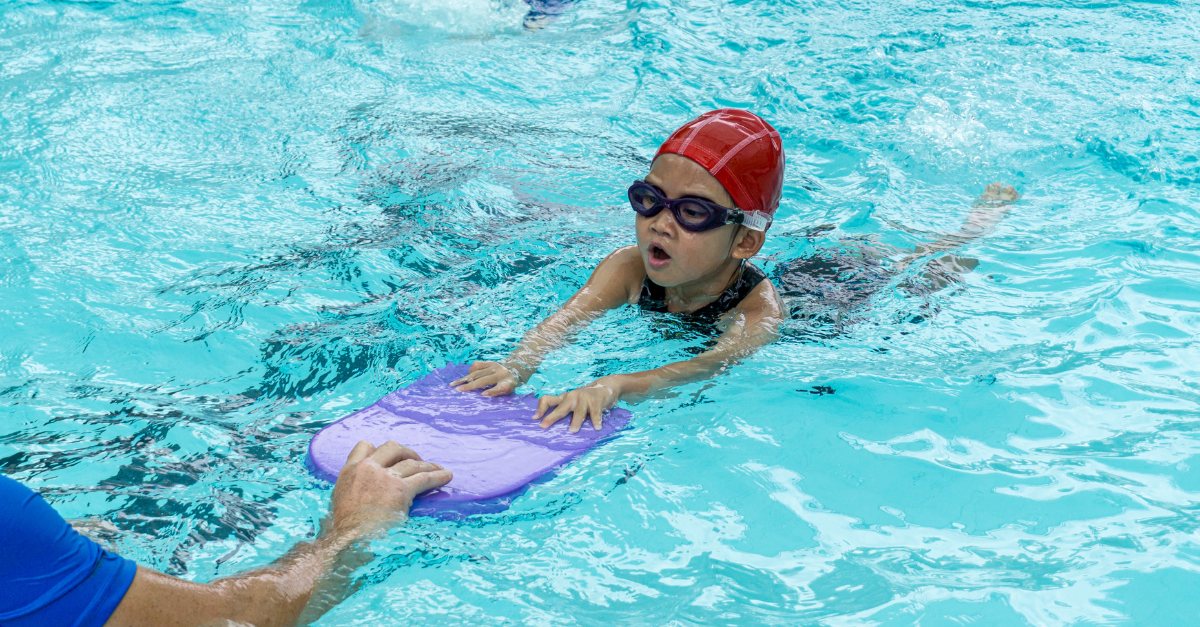
4. Swim-forward camps
If your Y has strong aquatics programming, camp may include:
- scheduled swim time
- swim lessons built into the day (sometimes as add-ons)
Best for: water-loving kids or parents trying to build swim confidence
Good to know: clarify if swim is instructional, recreational, or both
5. Overnight YMCA camps (in some regions)
Many YMCA associations have residential camps with cabins, campfires, and traditional camp programming.
Best for: kids ready for independence, big friendships, and “real camp” memories
Good to know: some offer 3–5 day “starter sessions” for first-timers
6. Teen leadership programs (CIT/LIT)
A common YMCA pathway is a Counselor-in-Training/Leader-in-Training program for middle school or high school students.
Best for: older kids who want responsibility and a resume-worthy summer experience
Good to know: requirements and commitments vary (some are volunteer-style, some paid, some include training hours)

What a typical YMCA camp day looks like
While it varies, many YMCA day camps follow a similar rhythm:
- drop-off + morning circle/group time
- activity blocks (sports, games, crafts, STEM, etc.)
- lunch + rest/reset
- outdoor play/water time (depending on site)
- end-of-day wrap-up and pick-up
Some Ys also offer:
- extended care (before/after camp)
- field trips (often for older groups)
- theme days (color wars, spirit days, water days)
Ask for a sample schedule. “Full-day camp” can mean different things (and different amounts of structured vs free-choice time).
What kids YMCA camps are great for
YMCA camps are often a strong fit for kids who:
- like variety and active play
- do well with consistent routines
- enjoy big-group camp energy
- benefit from social practice and teamwork
- want a camp close to home
They may be less ideal if your child needs:
- a highly specialized skill progression (unless the Y offers that specialty camp)
- a very quiet or low-stimulation environment
- ultra-small group sizes (varies by location—ask!)
The “ask these before you enroll” checklist
These questions help you choose the right YMCA camp in your area (copy/paste them into an email):
- How are campers grouped? (age, grade, skill?)
- What’s the staff-to-camper ratio for my child’s age group?
- What does a typical day's schedule look like?
- How much outdoor time is typical?
- Is there swim time? Is it lessons or free swim?
- What’s your approach to behavior support and transitions?
- What training do counselors receive?
- What does the rainy-day/extreme heat plan look like?
- What are the pickup/drop-off procedures and security steps?
- Are there scholarships/financial assistance options? How do we apply?
If your child has allergies, sensory needs, ADHD, anxiety, or other supports:
- Ask what accommodations are common
- Ask how they handle medication administration
- Ask how they communicate with families during the week
Registration tips: how parents get the weeks they want
YMCA camps can fill quickly, especially:
- prime weeks (late June through early August)
- younger age groups
- specialty camps (sports, gymnastics, etc.)
- limited-capacity nature camps
Most Ys have:
- member registration windows or early access
- multi-week discounts (sometimes)
- financial aid deadlines (often earlier than you expect)
Book one “must-have” week early, then add additional weeks once you confirm summer plans.
Cost and value: what to expect
Because YMCA camps are run locally, pricing varies a lot by region. But generally:
- YMCA camps are often among the more budget-friendly full-day options
- Extended care can add cost
- Specialty camps may cost more than general camp
- Financial assistance is commonly available
When comparing prices to other camps, compare what’s included:
- hours per day
- swim/field trips
- snacks/lunch
- transportation options
How to pick the “right” YMCA camp
If you’re stuck between two options, use this simple match:
- High-energy kid: traditional day camp or sports camp
- Outdoor kid: nature/adventure camp
- Water kid: swim-forward camp
- Creative kid: arts/theater week or mixed enrichment
- Older teen: leadership/CIT program
- First-time camper: start with one week (or a shorter session if offered)
Bottom line
YMCA camps are popular for a reason: they’re reliable, community-rooted, active, and often more affordable than many private camp options, while still giving kids that “summer camp magic” feeling. The key is choosing the right location and format for your child’s temperament and needs.
If you want help finding YMCA camps near you (and comparing them to other options), check out the MomBrains Camp Finder to browse Y camps by region, age, and camp style!


.webp)
.webp)
.webp)


.png)


.png)
.png)