


.webp)
When parents think about summer camp, they usually picture swimming, sports, campfires, crafts, or maybe a muddy backpack that somehow smells worse every week.
But one of the biggest reasons camps continue to matter has less to do with activities and more to do with what kids quietly learn while doing them.
Because whether it’s a traditional overnight camp, a sports camp, a theater program, or a STEM-focused day camp, summer camps are often one of the few environments where kids actively build soft skills outside of school.
And increasingly, those skills matter just as much as academics.
What Are “Soft Skills”?
Soft skills are the personal and social abilities that help kids:
- communicate
- adapt
- solve problems
- work with others
- handle challenges independently
They’re the skills tied to:
- confidence
- emotional intelligence
- resilience
- leadership
- social growth
And unlike math worksheets or test prep, soft skills are usually learned through experience. That’s exactly where camp becomes valuable.
Why Camps Are Surprisingly Good at Building Soft Skills
Camp environments naturally create situations where kids must:
- interact socially
- make decisions
- navigate discomfort
- try new things
Importantly, they often do this without parents stepping in immediately, without grades, and without constant technology distractions.
That combination is increasingly rare.
1. Independence
One of the biggest shifts parents notice after camp: “My child suddenly seems more capable.”
At camp, kids often learn to:
- manage belongings
- follow schedules
- advocate for themselves
- handle small challenges independently
Even day camps create opportunities for kids to make choices, transition between activities, and build confidence outside their usual routines.
For overnight campers, the effect is often even stronger.
2. Communication Skills
Camps naturally encourage communication because kids spend all day collaborating, problem-solving, playing, and interacting with peers and counselors.
This matters especially after years of increased screen time and digital communication.
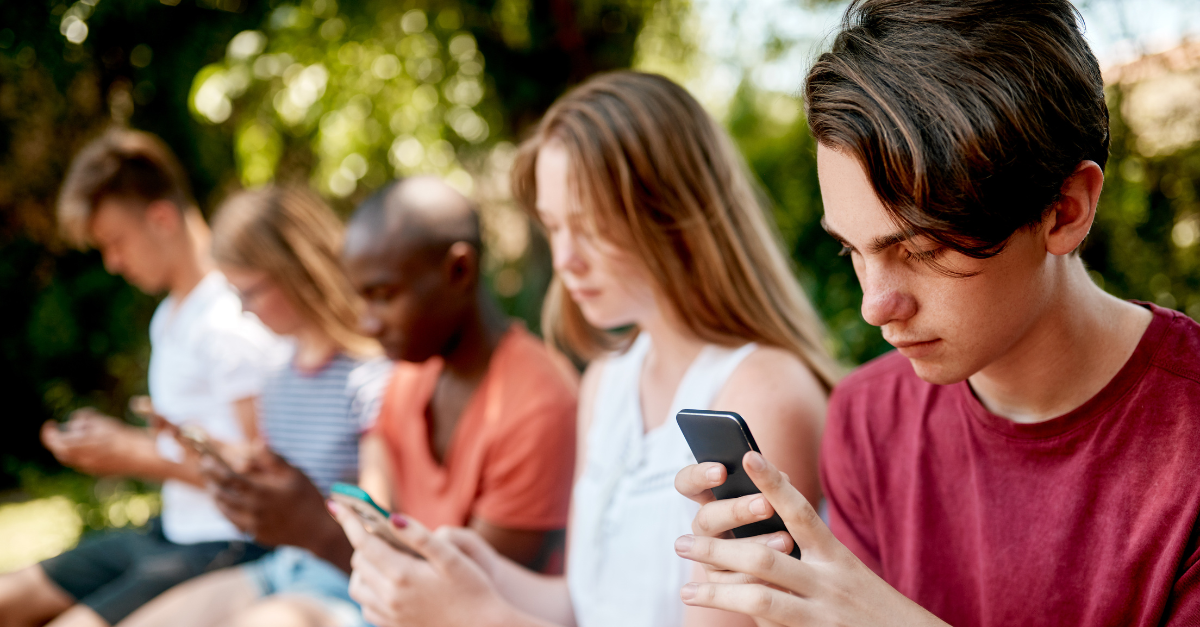
Kids learn:
- how to join groups,
- resolve small conflicts,
- speak up,
- and connect with people outside their normal school circles.
These social repetitions matter more than many parents realize.
3. Resilience
Camp is full of small, manageable discomforts:
- losing a game
- trying something difficult
- sleeping away from home
- getting out of comfort zones
- navigating new friendships
And those experiences help kids practice resilience in low-stakes ways. Parents sometimes worry when children struggle initially at camp. But often, that’s where the growth starts.
4. Adaptability
Summer camps rarely go perfectly according to plan. Schedules shift. Weather changes. Activities rotate. Kids encounter unfamiliar situations.
And that flexibility teaches children how to adjust, stay open-minded, and cope with unpredictability.
Those are skills that translate directly into:
- school
- sports
- friendships
- and even eventually workplaces
5. Leadership Skills
Many camps intentionally create leadership opportunities, especially for older kids.
But even younger campers begin developing leadership through:
- teamwork
- helping peers
- mentoring younger campers
- taking responsibility within group activities
Sports camps, theater camps, and outdoor adventure programs are particularly strong environments for this. And importantly, leadership at camp often looks different than leadership at school.
Kids who are quieter academically sometimes thrive socially in camp environments.
6. Confidence Through Competence
One underrated benefit of camp is that kids experience success in new environments.
Maybe they climb something difficult, perform on stage, score a goal, paddle a canoe, or simply make a friend independently.
Those moments build the resilience to know that they can accomplish hard things.
And confidence built through real experiences tends to stick longer than praise alone.
7. Problem-Solving Without Constant Adult Intervention
At camp, counselors often encourage kids to:
- work through disagreements
- solve challenges collaboratively
- make decisions before adults immediately intervene
That’s increasingly important.
Many parents today are understandably highly involved in their children’s daily lives, but camp offers healthy opportunities for kids to practice autonomy in a safe environment.
Different Camps Build Different Soft Skills
Not every camp develops the exact same strengths.
Sports Camps Often Build:
- discipline
- teamwork
- resilience
- coachability
Theater Camps Often Build:
- confidence
- public speaking
- collaboration
- emotional expression
Outdoor Camps Often Build:
- independence
- adaptability
- problem-solving
- risk assessment
STEM Camps Often Build:
- persistence
- creativity
- teamwork
- critical thinking
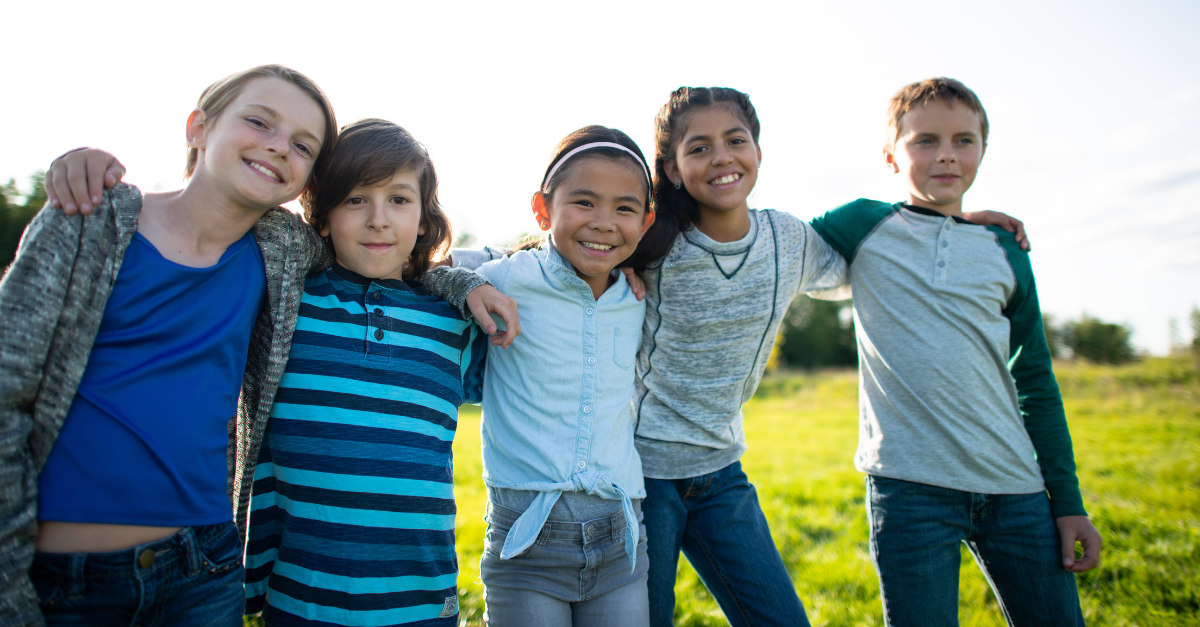
The Biggest Misconception About Camp
Some parents worry camp is “just play.”
But developmental experts increasingly recognize that:
- unstructured interaction,
- collaborative activities,
- and experiential learning
are exactly how children build many lifelong interpersonal skills.
In other words, camp may look like fun on the surface, and that’s actually part of why it works.
Final Take for Parents
Not every child will remember the exact game, craft, or camp lunch. But many will remember:
- making their first real friend independently
- trying something scary
- learning they could handle discomfort
- discovering confidence they didn’t know they had
Those are the soft skills camps quietly build every summer. And long after camp ends, they’re often the skills kids keep using the most!


.webp)
.webp)
.webp)


.png)


.png)
.png)