


.webp)
Sending your child to camp for the first time can be exciting—and nerve-wracking. Regardless of whether they're heading to day camp for a week or embarking on their first sleepaway camp adventure, it's normal for both kids and parents to feel a little anxious.
Questions like "What if they miss home?" or "What if they don't make friends?" are incredibly common. The good news is that a little nervousness before camp is not only normal, it's often a sign that your child understands they're about to do something new and meaningful.
This is how parents can help first-time campers manage anxiety, navigate homesickness, and build confidence before camp begins.
Remember: Anxiety and Excitement Often Look the Same
Many children experience a mix of emotions leading up to camp. They may be excited one minute and worried the next.
You could hear comments like:
- "What if I don't know anyone?"
- "What if I don't like the food?"
- "What if I miss you?"
- "What if everyone else knows what they're doing?"
These concerns are completely normal.
Rather than trying to eliminate anxiety, focus on helping your child understand that feeling nervous about something new doesn't mean they're not ready for it.
A helpful response can be: "It's okay to feel nervous. New experiences can feel exciting and scary at the same time."
Avoid Over-Talking About Homesickness
One mistake well-meaning parents sometimes make is repeatedly asking:
- "Are you worried about missing us?"
- "What will you do if you get homesick?"
- "Are you sure you're ready?"
While these questions come from a place of love, they can unintentionally plant worries that weren't there before.
Instead, keep conversations positive and focused on what your child is looking forward to:
- Making new friends
- Swimming
- Arts and crafts
- Sports
- Campfires
- Special activities
The goal isn't to ignore homesickness; it's to avoid making it the centerpiece of the camp experience before camp even starts.
Practice Independence Before Camp
Confidence grows through experience. In the weeks leading up to camp, give your child opportunities to practice age-appropriate independence.
For younger campers, this might include:
- Packing their own backpack
- Sleeping at a grandparent's house
- Attending playdates without parents nearby
- Managing simple daily responsibilities
For future sleepaway campers, consider:
- Spending a weekend away from home
- Practicing self-care routines
- Learning how to organize belongings
- Taking responsibility for personal hygiene
Small successes help children develop the confidence they'll need at camp.
Talk About What Homesickness Really Is
Homesickness is often misunderstood. Missing home doesn't mean a child is having a bad time.
In fact, many campers experience moments of homesickness while simultaneously enjoying camp.
Help your child understand:
- Missing home is normal.
- Most campers experience it at some point.
- Homesickness usually passes.
- Camp counselors are trained to help.
One helpful message is: "You might miss us sometimes, and that's okay. Missing home doesn't mean you can't have fun too."
Trust the Camp Staff
Parents are often surprised to learn that camp counselors have helped countless children work through homesickness.
By the time a child reaches out about missing home, staff members have usually already noticed and are actively supporting them.
Many camps report that the hardest part of homesickness often occurs during the first 24–48 hours. Once campers become engaged in activities, make friends, and settle into routines, those feelings frequently diminish.
This is one reason camps often discourage immediate pickups unless there is a significant issue. Children who work through initial homesickness often emerge feeling stronger and more confident!
Keep Goodbyes Short and Positive
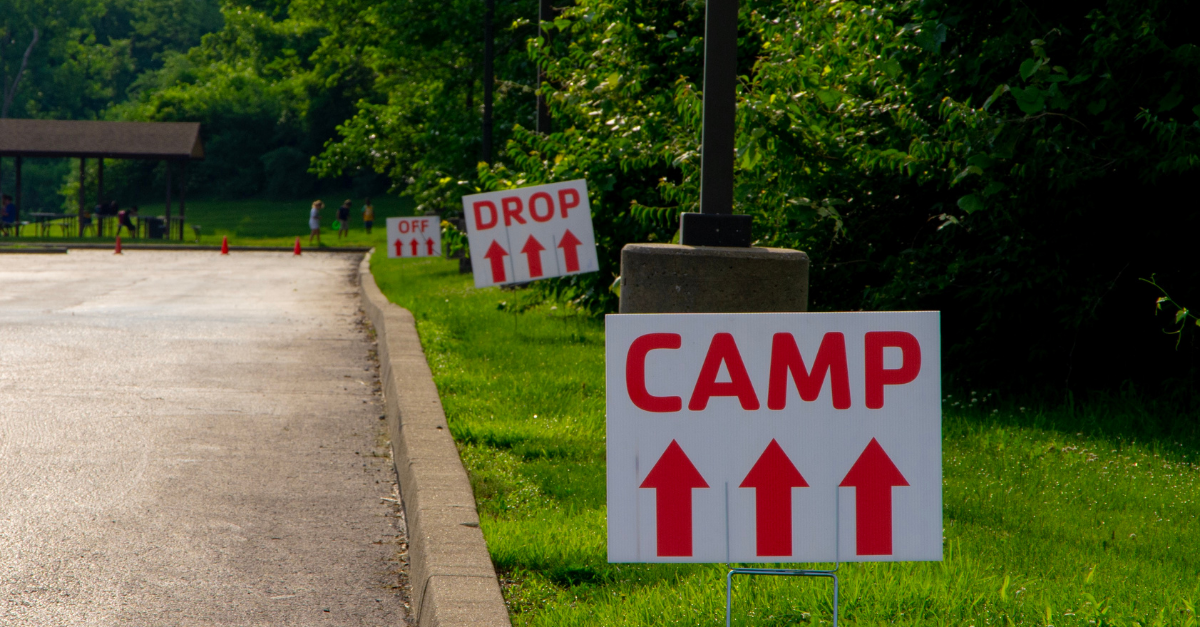
Drop-off day can be emotional. Parents naturally want to reassure their children, but long, tearful goodbyes can sometimes increase anxiety.
Instead:
- Be warm and encouraging.
- Express confidence in their ability to succeed.
- Avoid repeatedly asking if they're okay.
- Stick to your goodbye plan.
Try saying: "I know you're going to have a great time. I can't wait to hear about your adventures when you get home."
Then give a hug and let the camp staff take it from there.
Manage Your Own Anxiety
This may be the hardest step.
Children often take emotional cues from their parents. If you seem anxious, uncertain, or upset, your child may interpret that as evidence that camp is something to fear.
It's perfectly normal to miss your child while they're away! Talk with other parents, stay busy, and remind yourself why you chose camp in the first place. Many parents find that camp is as much a growth experience for them as it is for their children.
Celebrate the Growth
Whether your child attends camp for a week, a month, or the entire summer, they're learning valuable life skills.
They're practicing:
- Independence
- Problem-solving
- Resilience
- Friendship-building
- Confidence
- Adaptability
Even if they experience homesickness along the way, that doesn't mean the experience wasn't successful. In many cases, overcoming those challenges becomes one of the most meaningful parts of camp.
At the End of the Day
First-time camp anxiety is normal. Homesickness is normal. In fact, both are often signs that a child is stepping outside their comfort zone and into an opportunity for growth.
As parents, our job isn't to remove every uncomfortable feeling. It's to help our children develop the confidence to navigate those feelings successfully.
With preparation, encouragement, and trust in the camp process, most first-time campers discover something important: they're capable of much more than they thought. And that's one of the greatest gifts camp can provide!


.webp)
.webp)


.png)


.png)
.png)